Skip to content

How it works

TECAR is a deep-heat treatment. A certified practitioner moves a handpiece over the area that hurts while a gentle radio-frequency current warms the muscles, tendons and joints underneath. A session takes about 30 minutes, and there are no drugs or needles.

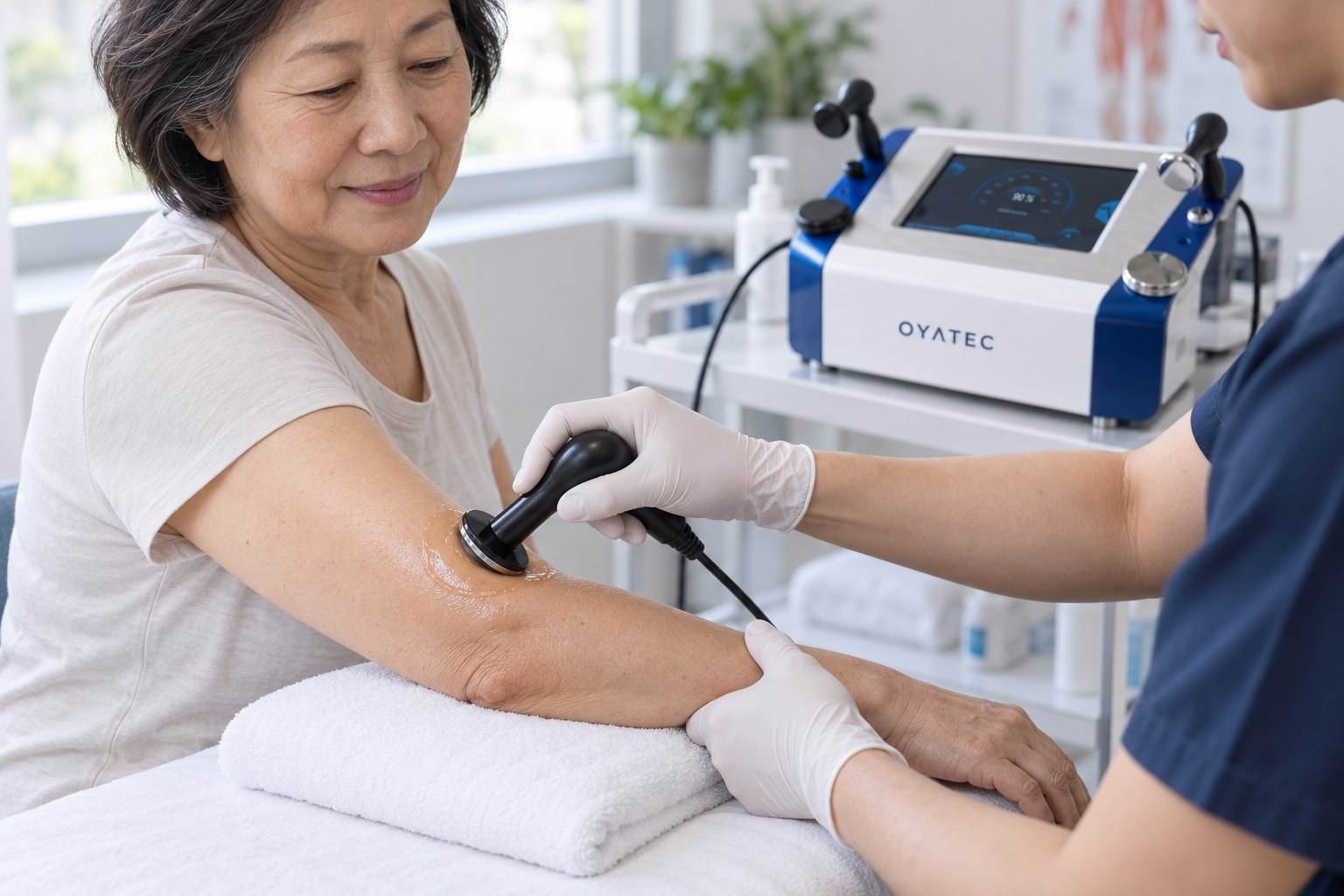
A practitioner moving the TECAR handpiece along a woman's forearm and elbow

What TECAR is

A deep-heat treatment that uses a gentle electrical current

TECAR stands for transfer of energy, capacitive and resistive. It is a type of diathermy, which means deep heating, and physical therapists and sports clinics have used it for many years.

The OYATEC TECAR system passes a radio-frequency current between a handpiece and a metal plate placed under or beside your body. As the current crosses the tissue in between, the tissue warms up. The warmth comes from inside your body, not from a hot surface on your skin.

That warmth brings more blood to the area, relaxes tight muscle and eases pain. Your practitioner controls how deep the heat goes and how warm it gets.

Deep heat

Why heat from the inside is different

A heat pack or a hot bath warms your skin first. The heat then has to travel inward, and most of it never reaches the deeper muscle or the joint. If you made the pack hot enough to reach that far, it would burn the skin.

TECAR works the other way round. The tissue between the handpiece and the plate makes its own heat, so the warmth builds where the problem is. Your skin stays comfortable.

Choose a heat source

Fig. 1 Cross-section of a thigh
Skin
Fat
Muscle
Tendon and joint
Bone
Return plate

TECAR, CET head

Warms the muscle itself, so tight spots relax.

Two handpieces

One head for muscle, one for deeper tissue

The system has two handpieces. Your practitioner switches between them during a session, depending on where the problem is.

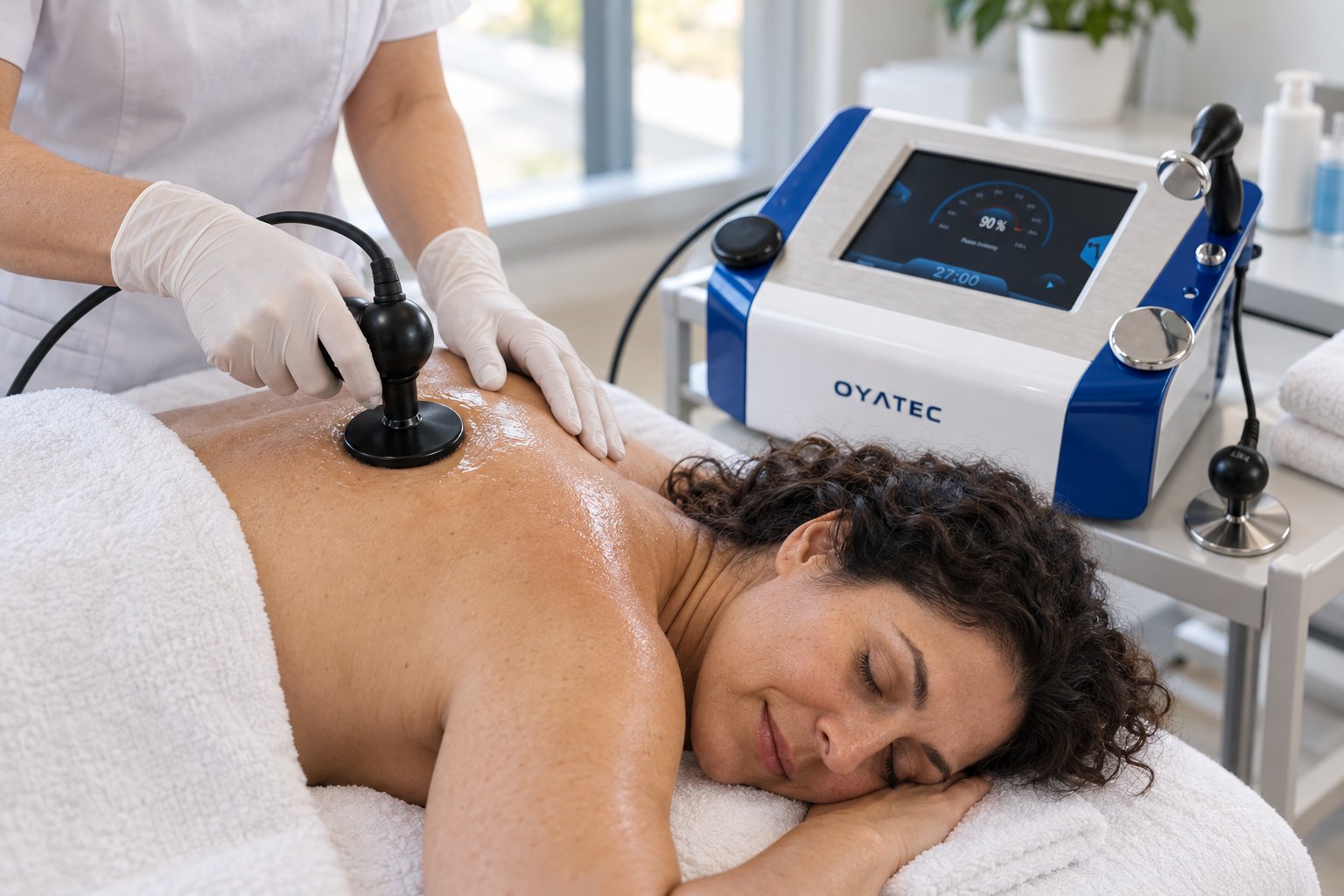
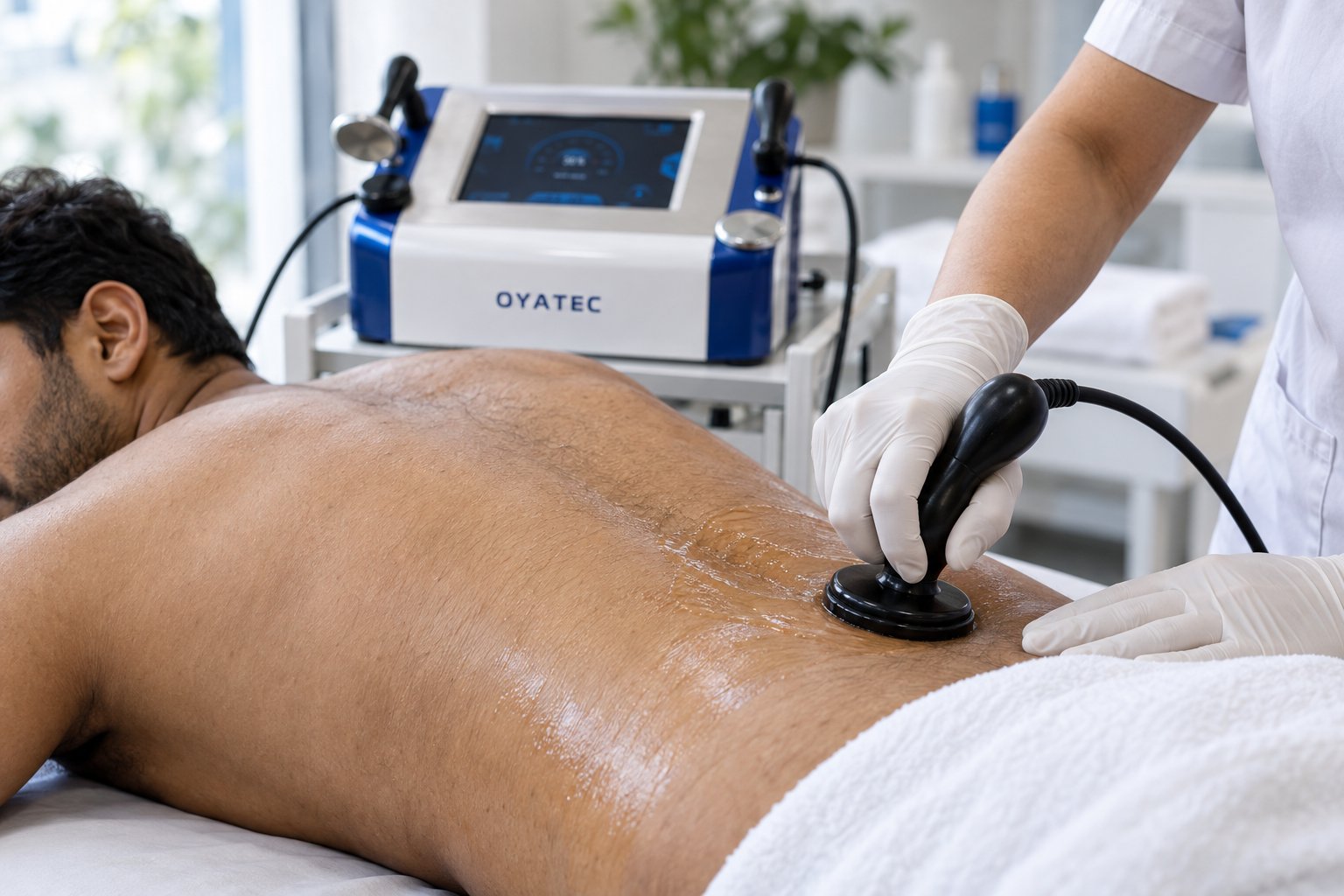
A gloved practitioner moving the flat CET head across a patient's lower backCET

The flat, insulated head

CET handpiece

The CET head has a coating that keeps the current from flowing straight into the skin. The current gathers in soft, watery tissue instead, so the heat builds in the muscle and the layers just under the skin.

Where the heat goes

Muscles, and the soft tissue just under the skin
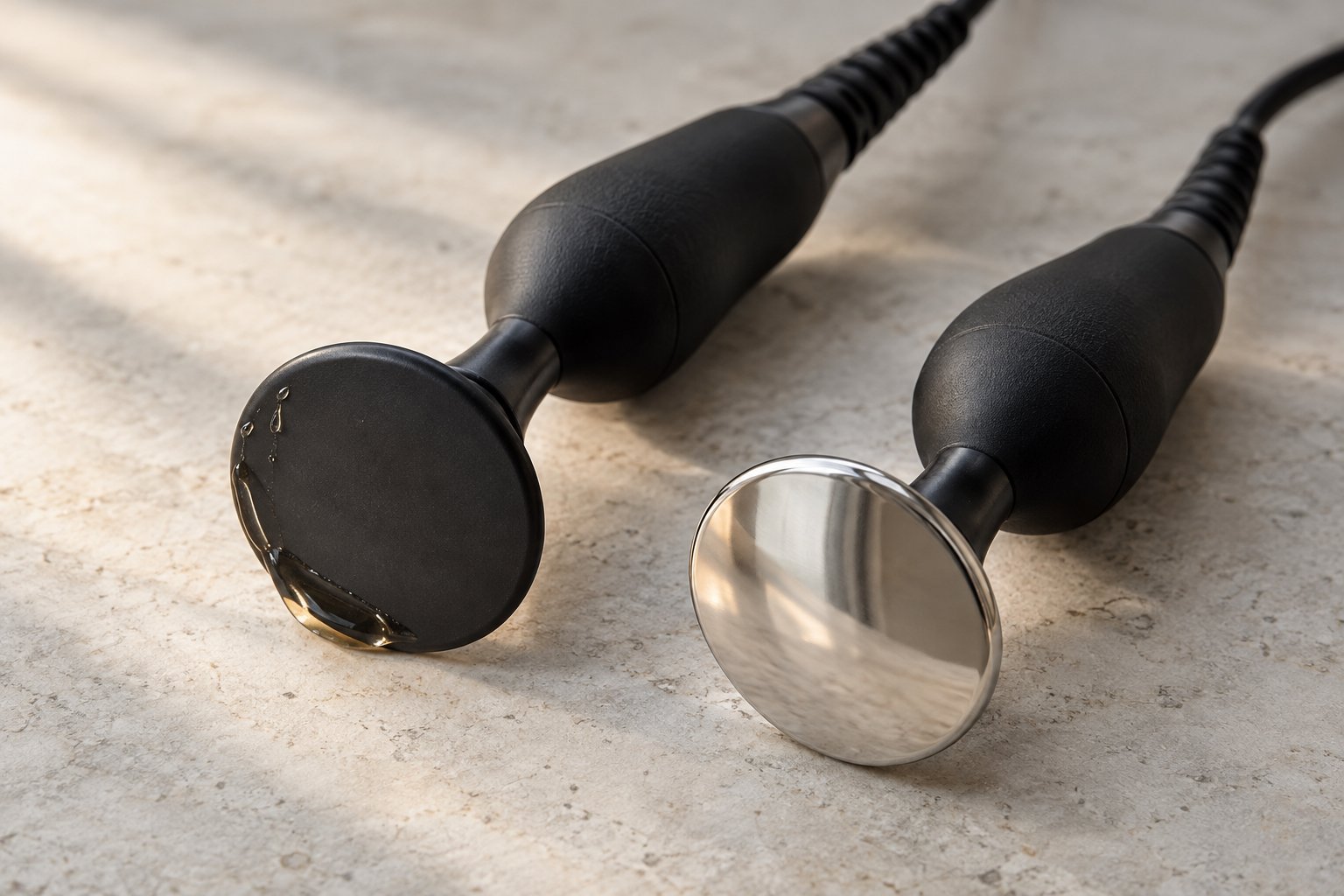
The two handpieces side by side, one with a black CET head and one with a polished steel RET headRET

The bare metal head

RET handpiece

The RET head is bare metal, so the current passes straight into the body and through denser tissue. That puts the heat deeper, in tendons, ligaments, joints and the tissue around bone.

Where the heat goes

Tendons, ligaments, joints and the tissue around bone

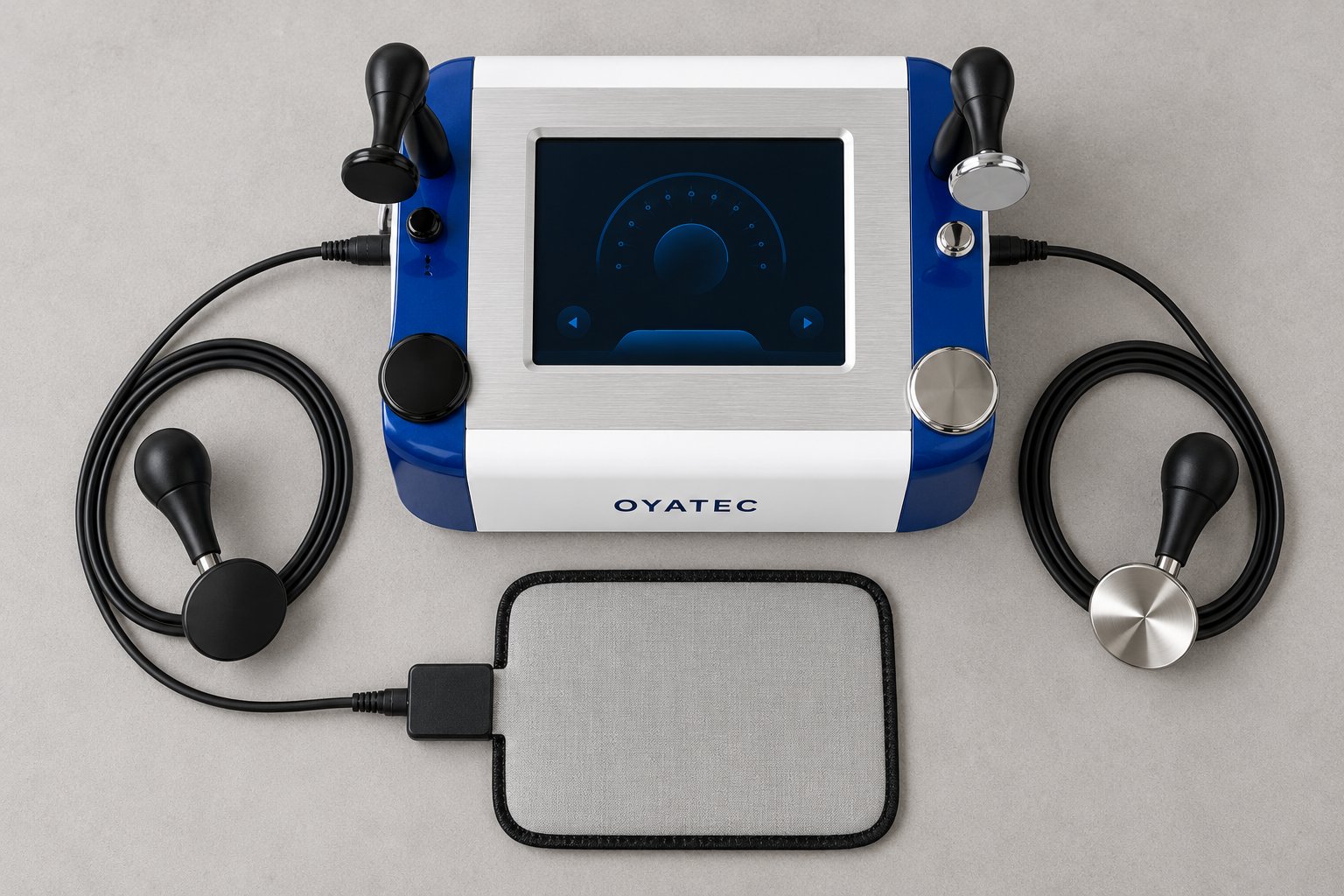
The OYATEC TECAR system seen from above, with its handpieces, cables and return plate laid out beside it

The flat plate under you

Return plate

A flexible metal plate goes under your back, your leg or another part of your body, opposite the area being treated. It completes the circuit, so the current flows through the tissue in between.

In short: the flat head warms the muscle, the metal head reaches deeper into tendons and joints, and the plate under you completes the circuit.

Heat levels

Cool for a fresh injury, warmer for an old one

Your practitioner chooses one of three heat levels, depending on how recent the injury is.

  1. No heat

    Athermic

    Used for
    Fresh injuries from the last few days, and swelling or bruising
    How it feels
    You may feel nothing at all except the head moving on your skin.
  2. Gentle warmth

    Mild thermal

    Used for
    Injuries that are healing, and muscle tightness
    How it feels
    A comfortable warmth, like sitting in the sun.
  3. Strong warmth

    Deep thermal

    Used for
    Pain and stiffness you've had for months, scar tissue and stiff joints
    How it feels
    A deep, strong warmth that should never feel like burning.

Your session

What happens during a session

A visit takes about 30 minutes. TECAR itself usually lasts 15 to 25 minutes of that.

  1. 1

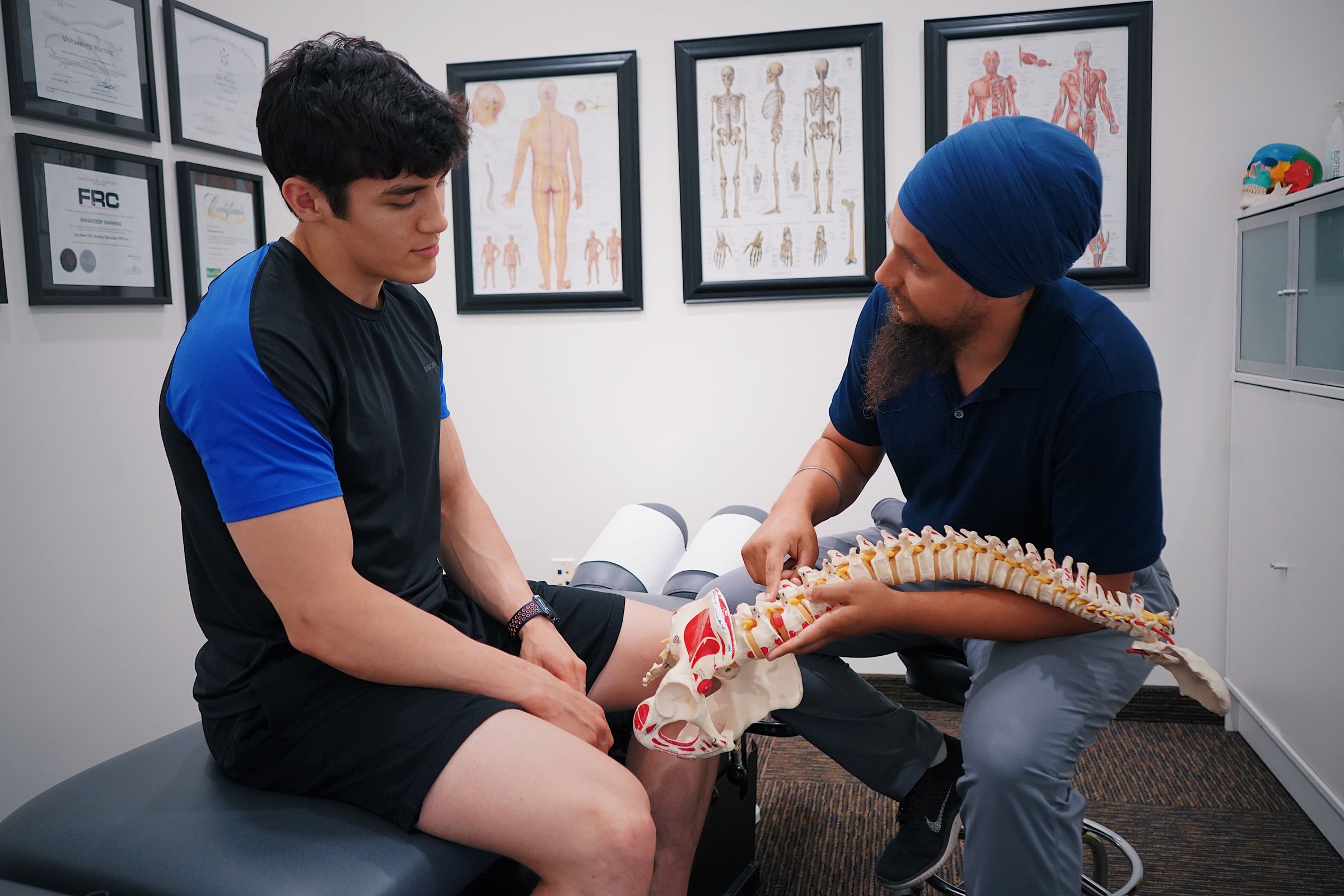
    Your practitioner asks about your pain and your health

    They ask where it hurts, how long it has hurt and what makes it worse. They also check that nothing rules TECAR out for you, such as a pacemaker or pregnancy.

    A practitioner using a spine model to explain a patient's back pain
  2. 2

    You lie or sit on the table

    You uncover the area being treated. Your practitioner places the return plate under or beside you, against bare skin.

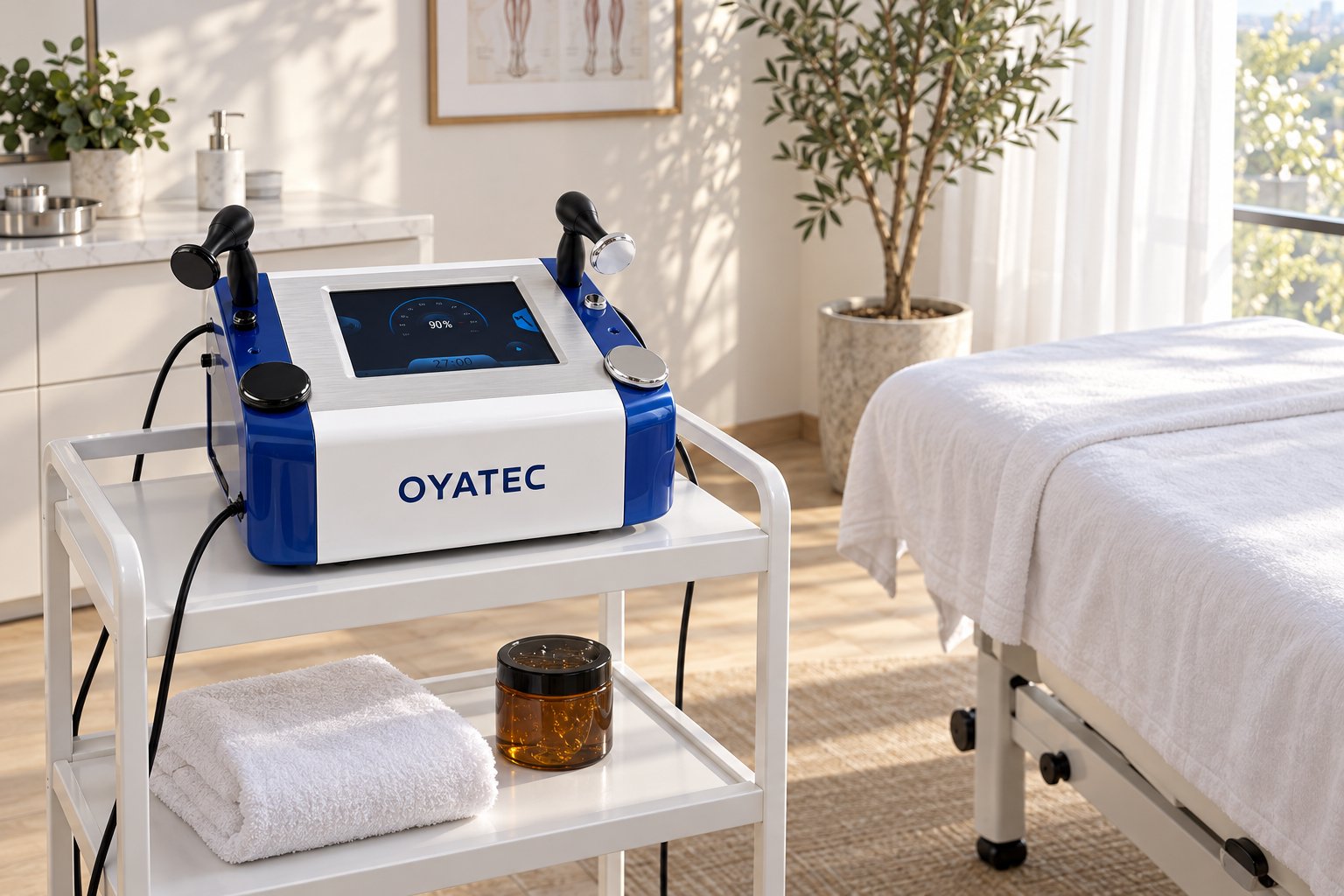
    The OYATEC TECAR system on a cart beside a treatment table
  3. 3

    The herbal gel goes on

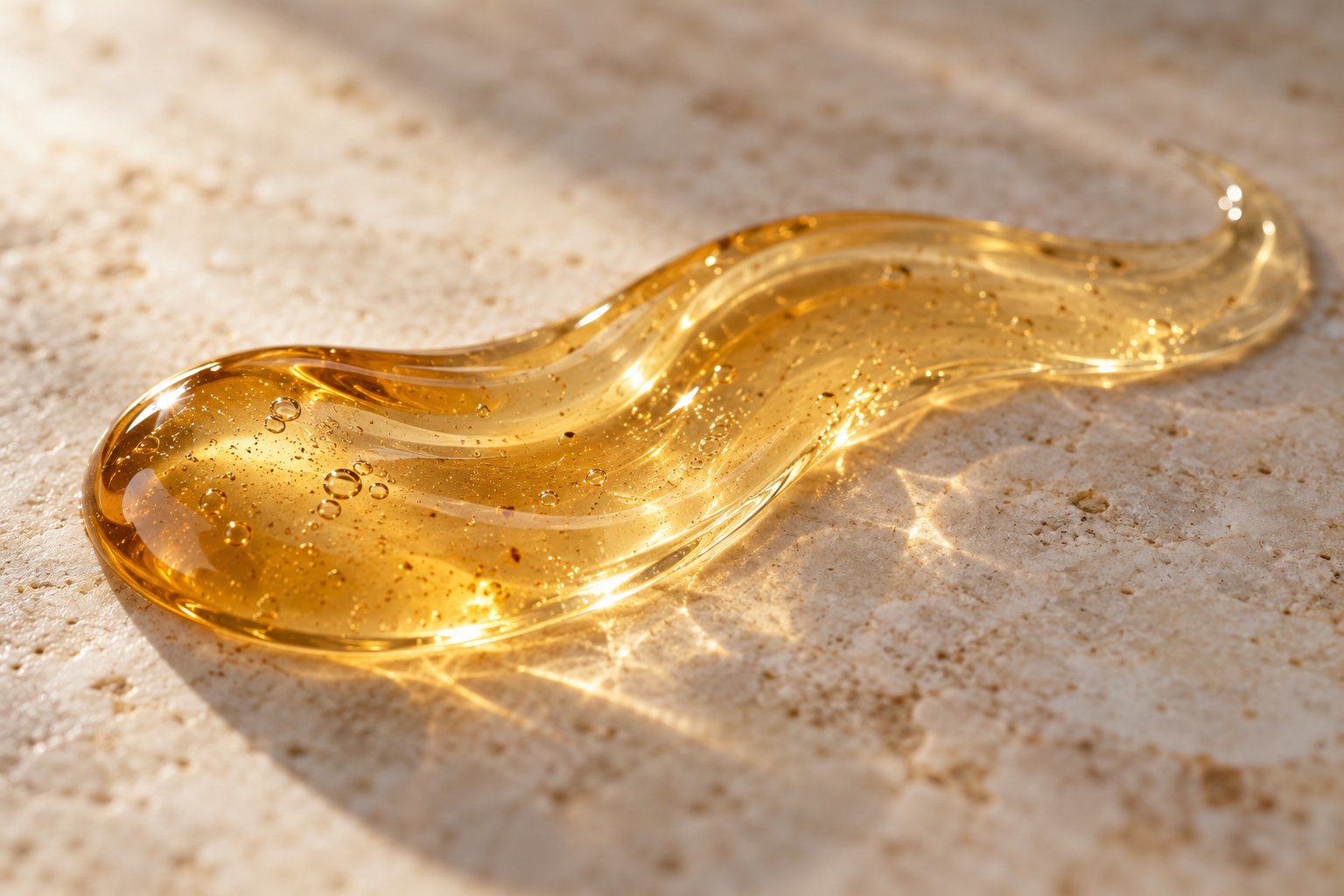
    Your practitioner spreads a thin layer of OYATEC herbal gel over the area. It lets the head glide and carries the current evenly into the skin.

    A smooth swirl of amber OYATEC herbal gel on pale stone
  4. 4

    The head moves in slow circles

    Your practitioner moves the head over the area and turns up the power bit by bit. At first you feel only the head's pressure. Then warmth builds under the skin.

    A practitioner moving the TECAR handpiece over a patient's shoulder
  5. 5

    You rate the warmth from 0 to 10

    Your practitioner asks how warm it feels. It should feel strong but comfortable. Say so at once if it ever feels too hot, and they will turn it down.

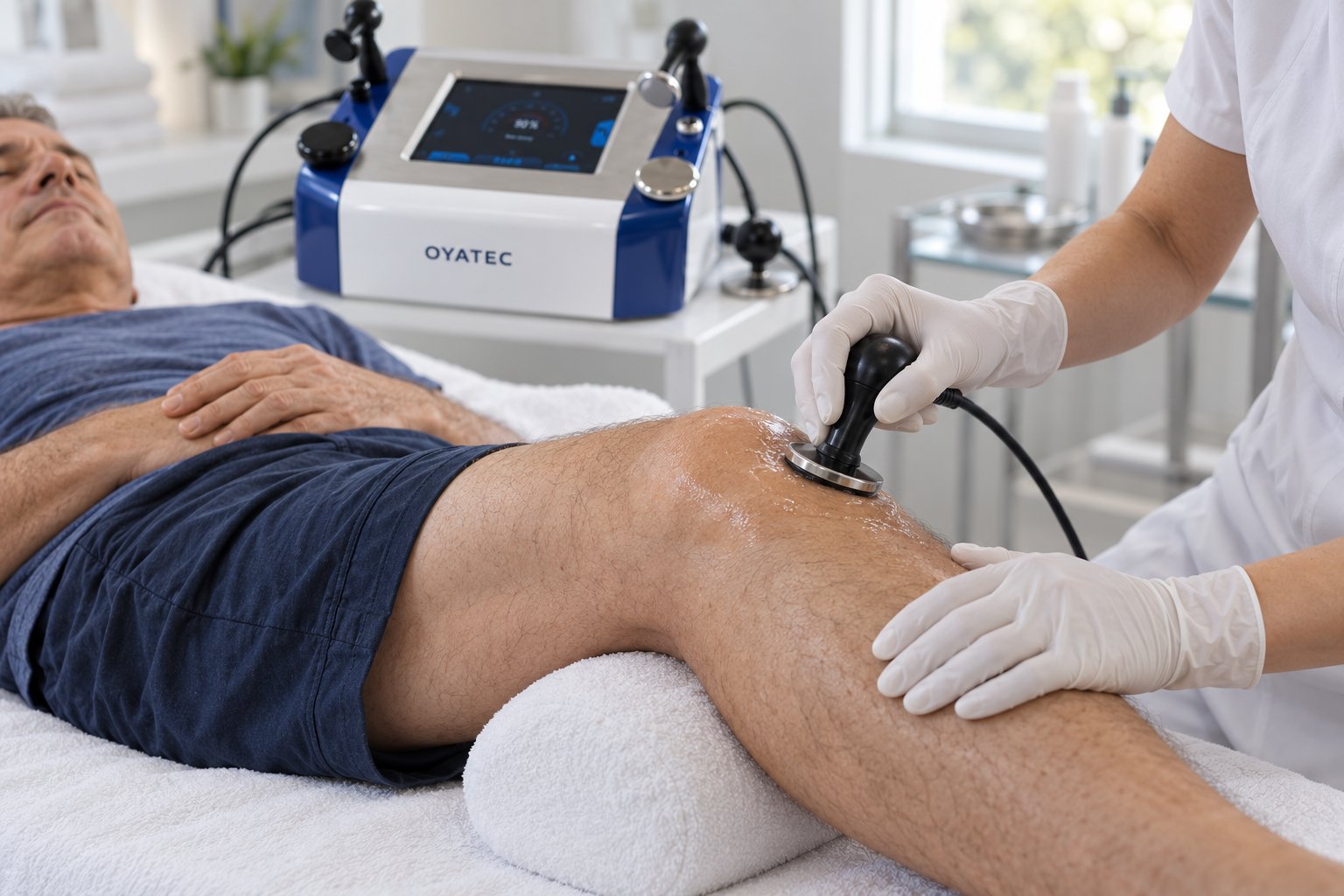
    A practitioner holding the TECAR handpiece on a patient's knee while checking how it feels
  6. 6

    Hands-on work or exercises

    Many practitioners follow TECAR with massage, an adjustment, acupuncture or exercises while the tissue is warm and loose.

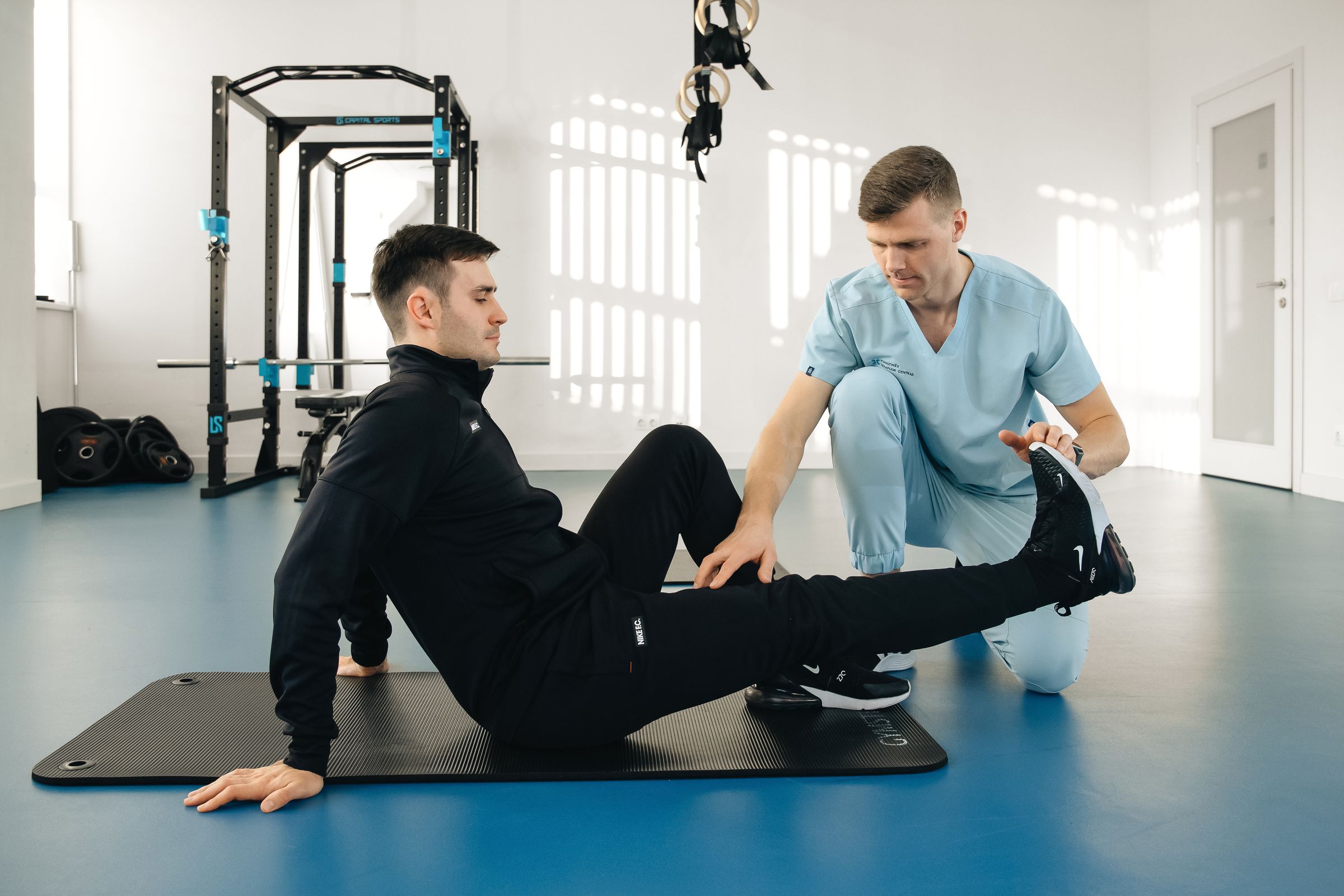
    A physical therapist guiding a patient through a leg exercise on a mat
  7. 7

    You get up and go

    Most people stand up moving more easily than when they lay down. You can drive and go back to work straight away. Drink some water, and keep up any stretches you are given.

    A smiling man in his sixties finishing a golf swing on a sunny fairway

Afterwards

How you might feel afterwards

Most people feel looser and less sore right away. The area may feel warm for an hour or so.

Some people have mild soreness for up to a day, as you might after a deep massage. If it lasts longer, tell your practitioner, and they will use a lower setting next time.

The herbal gel

Dr. Ouyang's own herbal gel, used in every session

TECAR needs a gel between the head and the skin so the head can glide and the current can pass evenly. Most clinics use a plain conductive gel.

OYATEC clinics use a gel that Dr. Ouyang developed from herbs used in Chinese medicine for sore muscles and joints. He made it for his own patients, and he has used it with TECAR in his clinic for years. Every certified clinic uses it in every session.

  • Water-based, so it wipes off easily and doesn't stain clothes
  • Has a light herbal scent
  • Made for TECAR, so it carries the current evenly
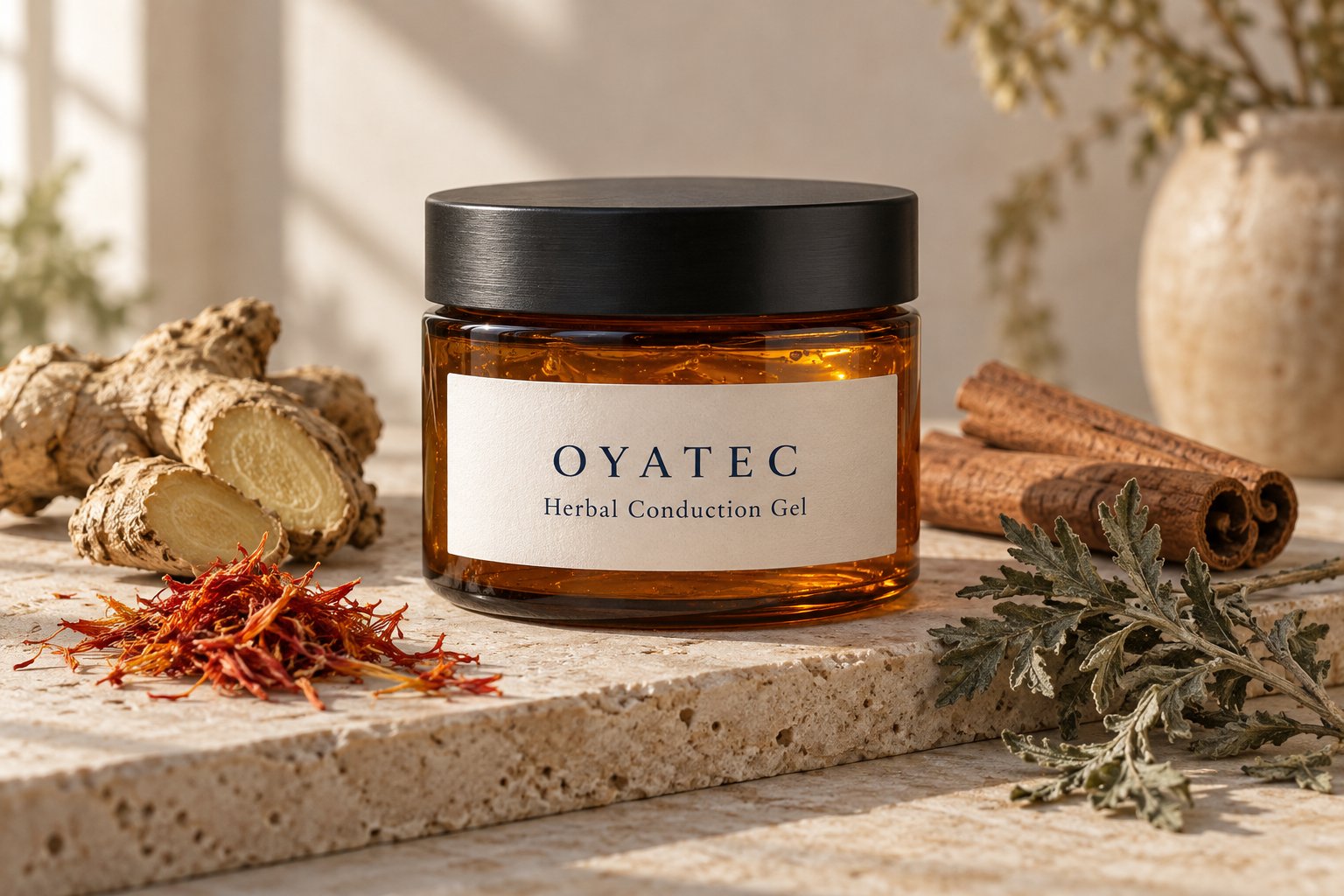
An amber jar of OYATEC herbal gel on stone, with dried herbs beside it
A smooth swirl of amber OYATEC herbal gel on pale stone
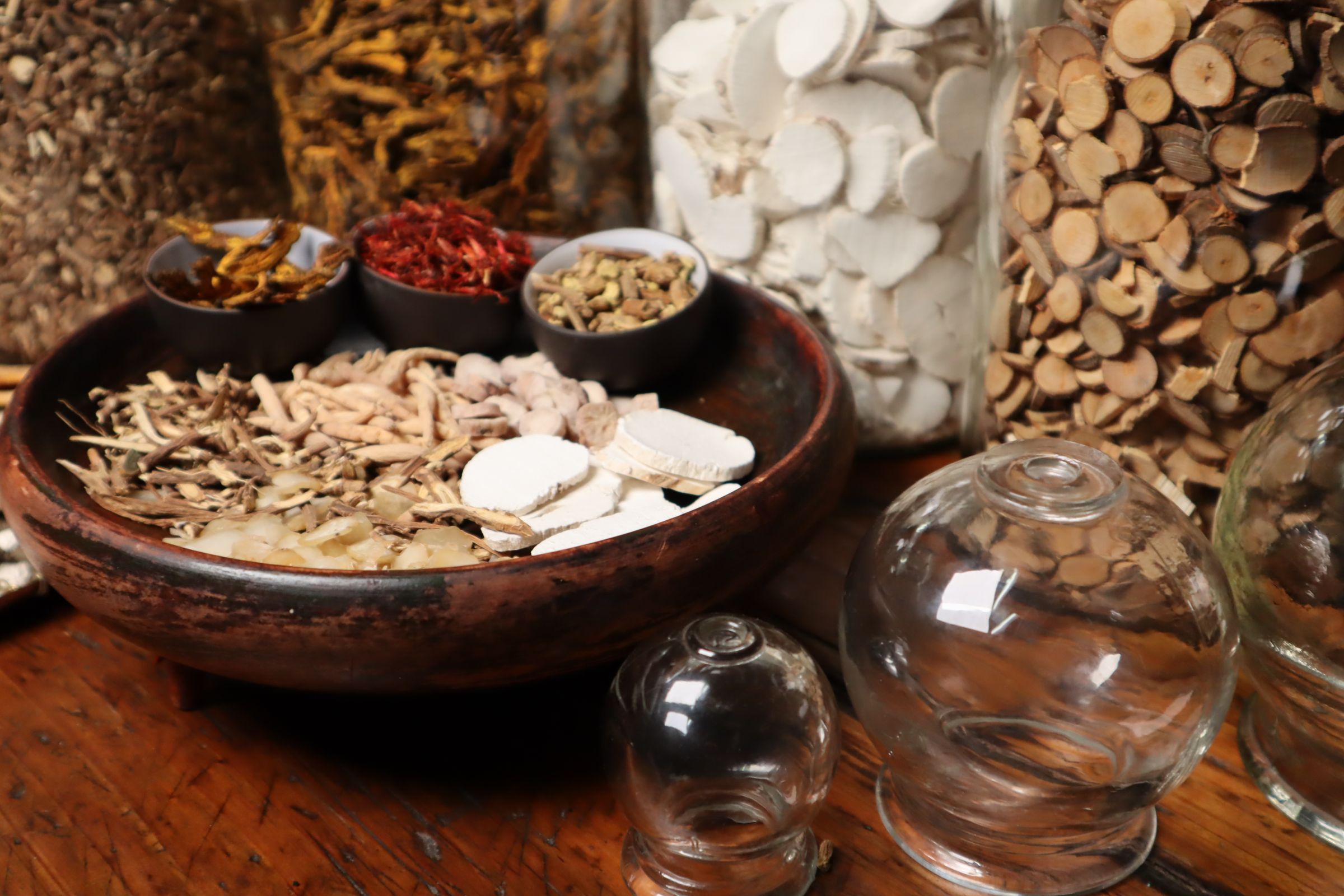
Dried roots, seeds and herbs in a wooden bowl beside glass jars

How many sessions

Most people need 4 to 10 sessions

Many people feel some relief after the first or second session. Lasting change usually takes a short series, often twice a week.

Your practitioner will suggest a plan after your first visit and will check your progress as you go.

Typical number of sessions
  • A recent injury

    From the last few weeks

    4 to 6 sessions

  • An injury that is healing slowly

    One to three months old

    6 to 10 sessions

  • Long-standing pain

    Pain you've had for months or years

    10 or more sessions

Safety

Who shouldn't have TECAR

TECAR is gentle, but it isn't right for everyone. Your practitioner will ask about these before your first session.

You can't have TECAR if

  • You have a pacemaker, a defibrillator or another implanted electronic device
  • You're pregnant (the belly, pelvis and lower back are never treated)
  • You have cancer, or a tumor in or near the area
  • You have a blood clot, such as a deep vein thrombosis, or inflamed veins
  • The area is bleeding or has an open wound

!Check with your practitioner or doctor first if

  • You have an infection or a fever
  • You have reduced feeling in the area, for example from diabetes or nerve damage
  • You have diabetes that isn't well controlled
  • You have serious heart disease
  • You use an insulin pump
  • You take blood thinners
  • You have metal implants or a joint replacement near the area
  • The patient is a child or teenager who is still growing

If you're unsure, ask your doctor before you book. TECAR does not replace medical care for new, severe or worsening pain.

The research

What the research says

A 2022 review that pooled several trials found that people treated with TECAR had less pain after four and eight weeks than people given other treatments. The trials were small and used different methods, so researchers call the evidence promising rather than settled.

In the United States, the FDA has cleared similar devices from other makers to heat tissue to relieve pain, ease muscle spasm and increase local blood flow.

  1. 01Sadri et al., meta-analysis of TECAR for pain, Galen Medical Journal (2022)Pooled results from several trials
  2. 02Lupowitz et al., TECAR therapy: a clinical commentary, International Journal of Sports Physical Therapy (2025)How it works, how it's used, and where the evidence is thin
  3. 03FDA 510(k) K161458, a capacitive and resistive diathermy deviceThe cleared uses for this kind of device
An older couple walking and talking on a leafy city street

Try TECAR at a clinic near you

Every OYATEC clinic is run by a licensed practitioner who has completed our 10-hour training.

Not sure yet? Read patient questions